
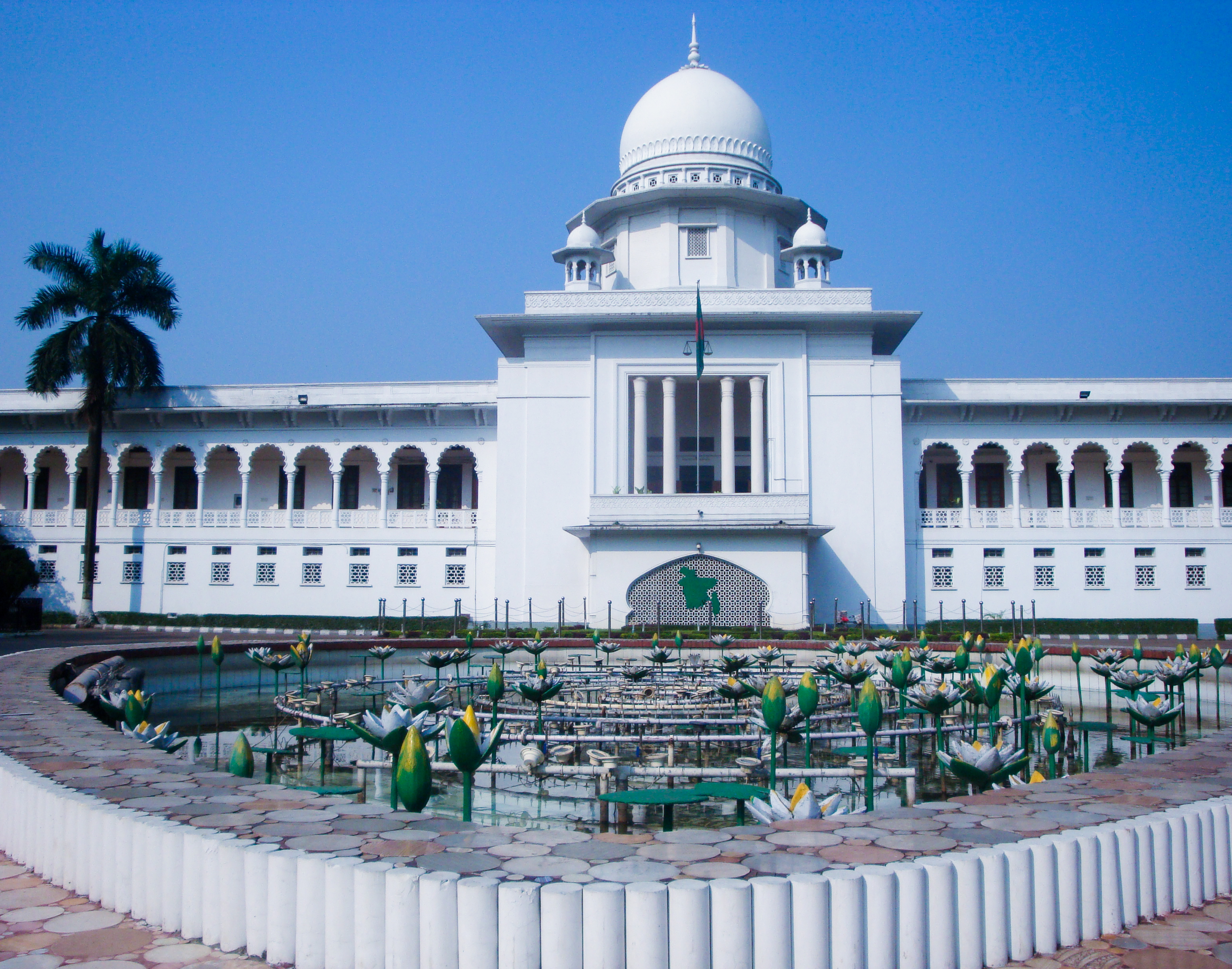
On August 5 and 6, 2024, as Bangladesh’s government changed, Hindu families in 27 districts reportedly saw homes and other property attacked or looted. In Meherpur, attackers set fire to an ISKCON temple. The UN Human Rights Office’s preliminary account also records what happened next: students and residents organized to guard places of worship. For those communities, peace depended on whether someone would show up when the police could not.
The violence followed a deadly crackdown on protesters under Sheikh Hasina’s government. After she resigned on August 5, police officers and people associated with the Awami League were themselves targets of reprisals. A credible account of the transition has to make room for both the families demanding justice for the crackdown and those who needed protection in its aftermath.
What a witness needs
In January 2025, Human Rights Watch reported that it had examined eight police complaints concerning the July and August killings. Five plaintiffs told its researchers they did not know who had been named as accused in the cases they filed. One mother had gone to Dhaka to seek justice for her son. The finding concerned a small set of complaints, but it illustrates what can go wrong even when a family has access to the police: the allegations put forward in a victim’s name may differ from what that person actually knows.
Bangladesh’s interim administration cited witness protection and national security when it restricted Awami League activities in May 2025, according to a subsequent letter from UN experts. Global Justice Network (GJN) asked the UN’s independent expert on peaceful assembly and association on November 1, 2026, to examine how those restrictions work. Its question has a concrete application. If peaceful supporters need to meet to choose a lawyer and prepare a challenge, what procedure lets them do so without violating the order they want a court to review?
GJN supports fair trials for people accused of grave abuses. It asked the expert to seek the government’s current justification for the restrictions, examine their duration and identify how a person can obtain independent review. The submission relies on legislation and public records. The meeting example illustrates the legal question.
Safety between elections
There is evidence of democratic gains alongside continuing insecurity. In February 2026, European Union observers judged the parliamentary vote credible and competitive. Their preliminary statement also described fear of mob attacks and recorded 56 campaign-related incidents of physical violence. The observers characterized the incidents as localized. A competitive election and a campaigner’s fear of attending a particular meeting can both be real.
There is also a cost to seeking justice that a statute cannot capture. The World Bank’s April 2026 assessment found that prices had risen faster than the wages of low-income workers. A family losing purchasing power has fewer resources for travel, legal advice or a day away from work. That is a practical reason to ask whether a remedy is accessible as well as whether it exists on paper.
The test for democratic restoration is whether a witness can testify safely, a family can pursue the case it meant to bring, and a peaceful citizen can challenge a restriction before an independent court. As of November 2, GJN’s records showed its request had been sent. No substantive reply from the UN mandate appeared in the correspondence reviewed.